Best Wordle Starting Words in 2026: Ranked by Letter Coverage
Choosing the right first word can make or break your Wordle streak. Here are the best starting words ranked by how many common letters they cover in one guess.
Published May 9, 2026
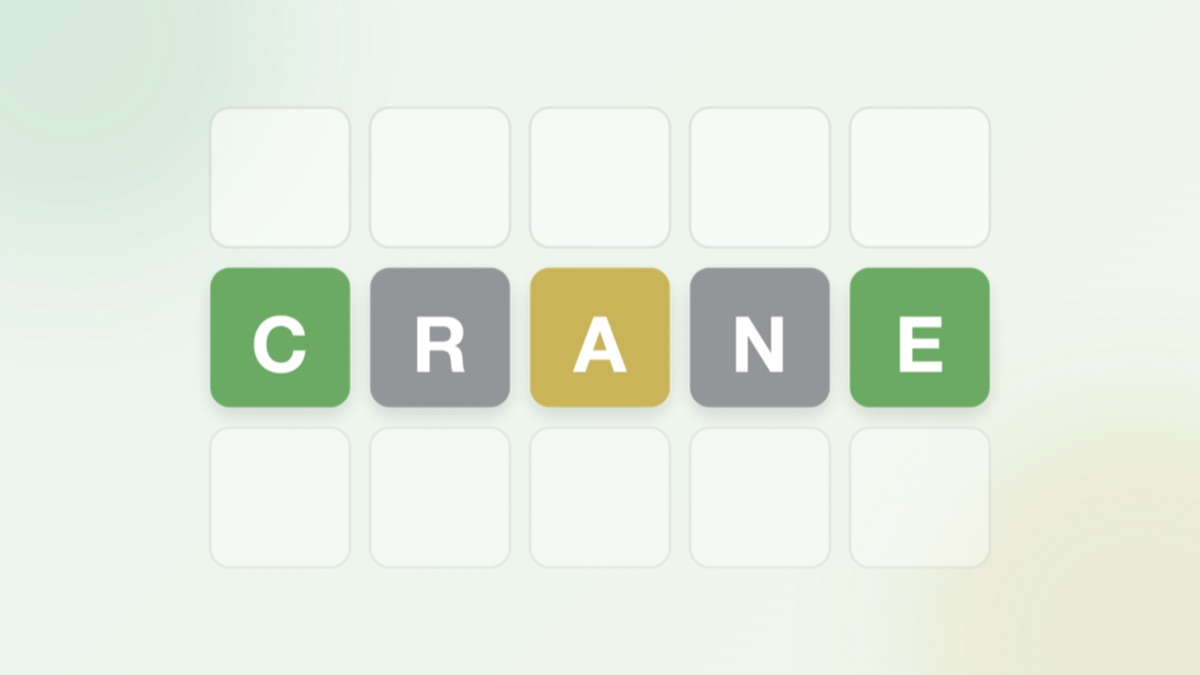
The first guess in Wordle is the most important one. It sets the direction for everything that follows. A strong opener eliminates as many unknown letters as possible and points you toward the right vowels and consonants before you’ve wasted any of your six attempts.
This guide ranks the best starting words by the only metric that actually matters: how much useful information they give you on guess one.
What Makes a Good Starting Word?
A strong Wordle starter does three things at once:
- Covers common vowels (A, E, I, O, U appear in almost every answer)
- Hits frequent consonants (R, S, T, L, N account for a large share of Wordle letters)
- Avoids repeating letters (each guess should test as many unique letters as possible)
A word like ABASE wastes two A’s. A word like SLATE tests five different, highly common letters. That difference alone can be the gap between solving in three guesses and running out of attempts.
The Top Starting Words, Ranked
1. SLATE
Widely considered the most statistically effective opener. It covers S, L, A, T, and E, five of the most frequent letters in the Wordle answer list. WordleBot has consistently rated it among the top choices, averaging around 3.4 guesses to solution when used as a first word.
2. CRANE
Another elite starter. C, R, A, N, E covers two very common consonants (R and N) alongside three frequent letters. The main advantage of CRANE over SLATE is that R and N appear more often in the middle of words, so you get useful position data from the start.
3. TRACE
A solid alternative to CRANE that swaps C and N for T and covers the same vowels. If CRANE gives you a miss on C and N, TRACE opens up T as a new test on your second guess, so many players alternate between the two.
4. RAISE
If your priority is eliminating vowels fast, RAISE is unbeatable. It hits A, I, and E in a single word alongside R and S. After RAISE, you know the status of three vowels and two extremely common consonants, which narrows the solution space dramatically.
5. AUDIO
For players who want to test the maximum number of vowels, AUDIO covers A, U, D, I, and O. It is the only common starting word that hits four vowels at once. It is slower to narrow down consonants, but if you are struggling with vowel placement, AUDIO gives you a complete vowel picture on turn one.
6. STARE
STARE is a slightly softer version of SLATE, swapping L for R. Both are excellent. If you find SLATE frequently leaves you without the R, STARE is the direct alternative.
Words to Avoid
- QUEUE, FUZZY, JAZZY - Double letters waste guess slots
- PIZZA, BOXER - Rare letters like Z and X almost never appear in answers
- ADIEU - Popular but four vowels with weak consonants (D and J) make follow-up guesses harder
Should You Use the Same Starter Every Day?
Most serious players do. Using a fixed opener builds muscle memory and removes one decision from a puzzle where every guess counts. The consistency also makes it easier to recognize patterns over time.
That said, some players use a two-word opening sequence when they want broader coverage. A popular pair is CRANE + DUSTY, which together test ten unique high-frequency letters before you start narrowing down.
Finding Words After Your Opener
Once you have some green and yellow tiles, the next step is finding words that fit those constraints. If your opener gives you a yellow A and a green T in position 4, you need five-letter words that contain A (not in its current position) and end in T.
Our words ending in a specific letter and words starting with a specific letter tools are built exactly for this. You can filter by length and letter position to find valid candidates in seconds, without keeping a mental dictionary open in the background.
The Bottom Line
There is no single perfect Wordle starter for every player, but the best ones share a clear pattern: strong vowel coverage, common consonants, and no repeated letters. SLATE and CRANE are the two most consistently recommended options, and either will give you a strong foundation every day.
The best starting word is ultimately the one you stick with, because consistency lets you recognize patterns and build a feel for the game over time.
Keep playing
Same spoiler-safe format, for every daily puzzle we cover.